How Building Galactic Journeys for TSA Webmaster Became One of My Most Meaningful High School Projects
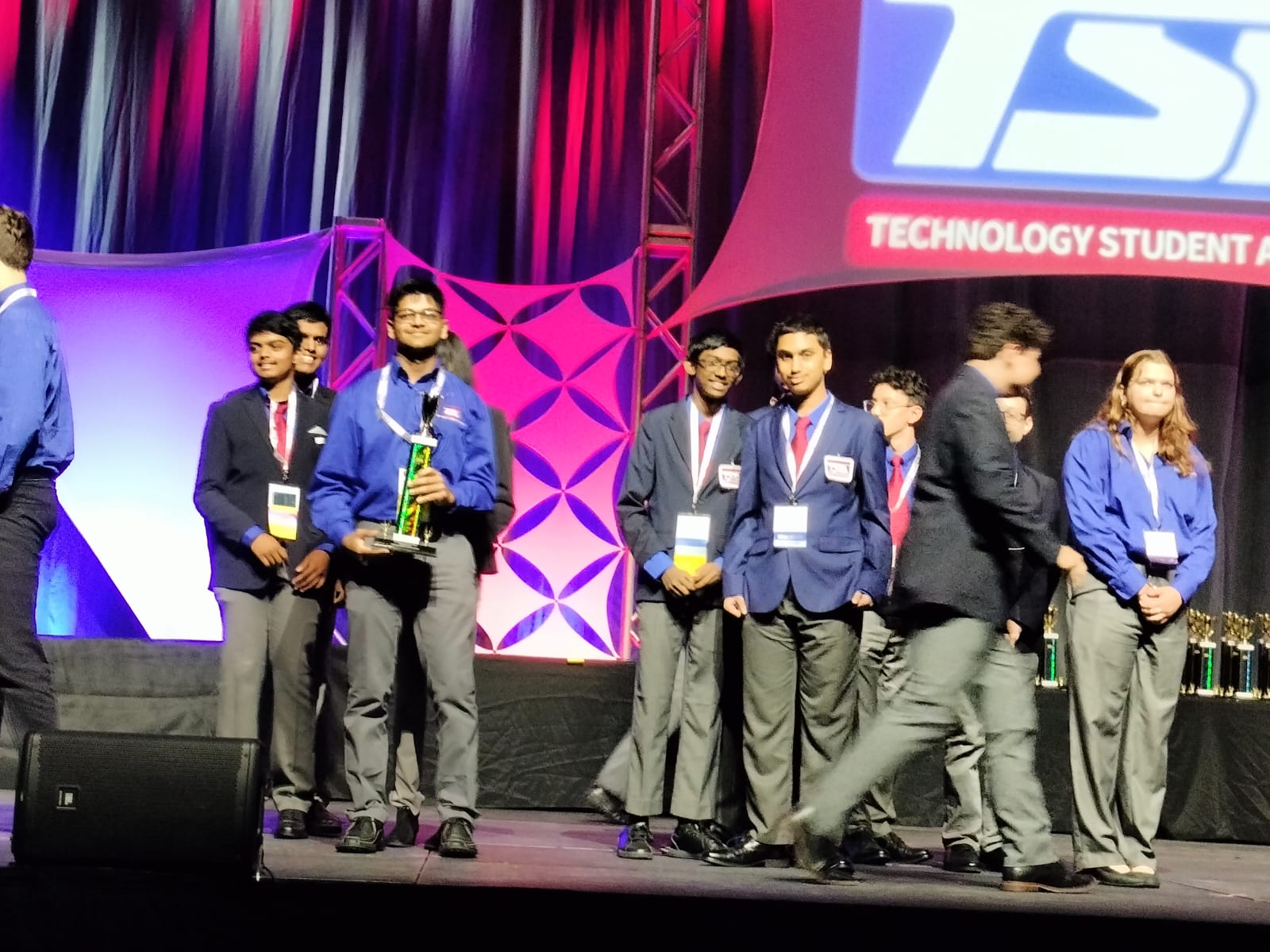
During high school, I worked on a lot of different technology projects, but one of the most memorable experiences was competing in the TSA Webmaster event through the Technology Student Association.
At the time, I already enjoyed building websites and experimenting with design, but I had never worked on something this detailed before. What started as a competition project slowly turned into months of research, design, development, troubleshooting, and teamwork.
Our project was called Galactic Journeys, a fictional commercial space tourism company created for the 2022-2023 TSA Webmaster competition.
You can still view the website here:
By the end of the competition season, our team earned 1st Place in Webmaster at the Georgia TSA State Leadership Conference and later became a National Finalist at the TSA National Conference in Louisville, Kentucky.
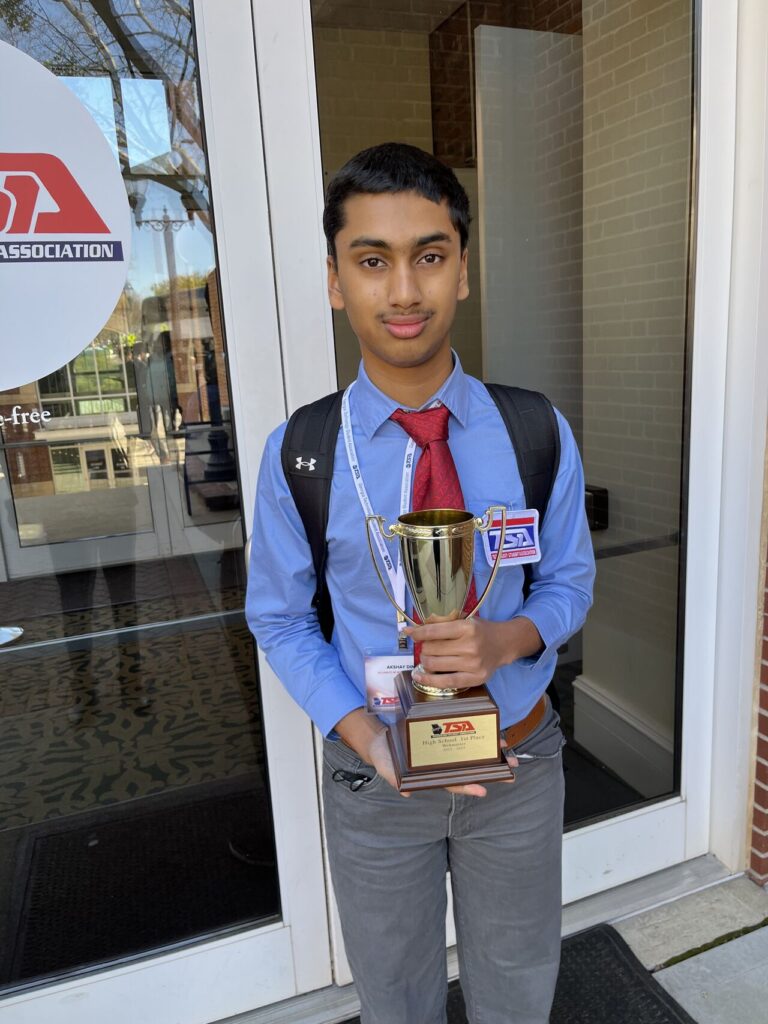
Even years later, this is still one of the projects I am most proud of because it taught me much more than just how to build a website.
The Official TSA Webmaster Challenge
The theme for the 2022-2023 TSA Webmaster competition was:
“Space Tourism: a company that will make you an astronaut”
The official challenge was to create a fictitious company and design an appropriate website. The website needed to provide information starting with promotion, basic information, cost, planning, training, vehicles, safety, launch, and recovery.
At first, the topic sounded simple. We had to build a space tourism website.
Once we started planning, though, we realized the prompt had a lot more depth than it seemed. This was not just about making a futuristic-looking website with stars, rockets, and space backgrounds. We had to think about how a real company would actually guide someone from being interested in space travel to preparing for launch and returning safely to Earth.
That made the project much more interesting.
We had to think about what the customer journey would look like. Someone visiting the site would need to understand what the company offers, how much it costs, how to plan a trip, what training is required, what vehicles are used, what safety measures are in place, what happens during launch, and what recovery looks like after returning.
The challenge forced us to combine creativity with structure. It was part web development, part branding, part storytelling, and part user experience design.
That combination is what made the project stand out to me.
Creating Galactic Journeys
After brainstorming different ideas, our team created Galactic Journeys, a fictional luxury space tourism company built around the idea of making civilian space travel feel exciting, realistic, and accessible.
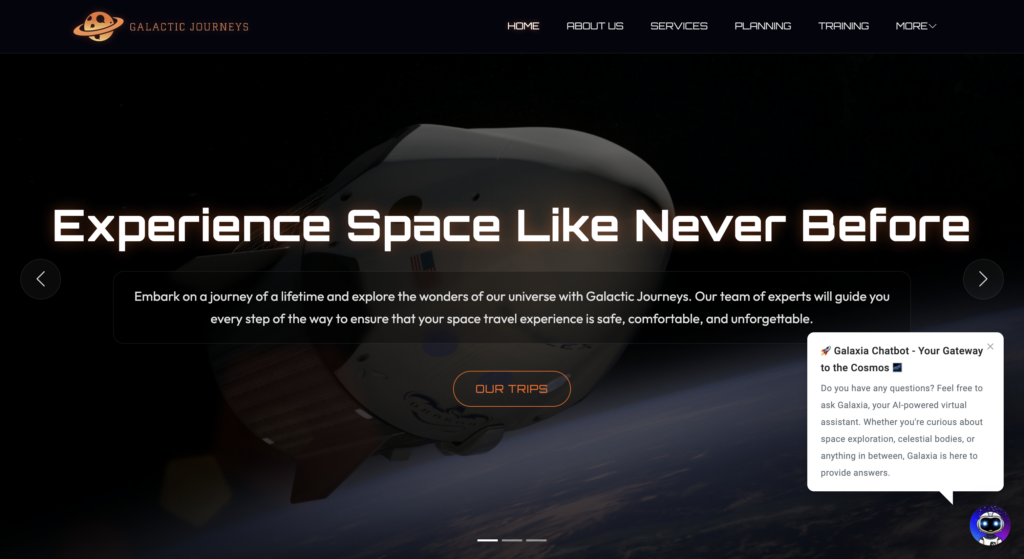
From the beginning, we wanted the website to feel like a real company rather than a school project. We did not want it to look like something made just to satisfy a rubric. We wanted people to open the site and feel like they were exploring an actual futuristic travel company.
That goal shaped almost every decision we made.
The homepage had to be exciting enough to promote the company, but still professional enough to feel believable. The planning pages had to explain the customer journey clearly. The cost sections had to make the experience feel like a real service. The training pages had to show that space tourism would require preparation. The vehicles, safety, launch, and recovery sections had to make the company feel complete from start to finish.
As we kept building, the website became much larger than we originally expected.
Every part of the official TSA prompt turned into its own section of the site. We were not just designing random pages. We were building an entire experience around the idea of space tourism.
That was one of the reasons I enjoyed the project so much. It gave us the chance to be creative, but it also required us to stay organized and intentional.
Trying to Make the Website Feel Real
One of our biggest goals was realism.
Since the topic was space tourism, it would have been easy to make the project feel exaggerated or unrealistic. Instead, we wanted Galactic Journeys to feel like something that could exist in the future.
We looked at how real aerospace and travel companies present themselves online. We paid attention to how they explain complex services, how they organize information, and how they build trust with visitors.
That research influenced the way we designed the site.
We wanted the visuals to feel futuristic, but not messy. We wanted the content to be imaginative, but still grounded. We wanted the website to feel exciting, but also clear enough for someone to actually understand the process of becoming an astronaut through the company.
That balance was difficult.
If the site was too plain, it would not feel memorable. If it was too flashy, it could become hard to use. A lot of the development process was about finding the right balance between design, functionality, and clarity.
Looking back, I think that was one of the most valuable parts of the project. It taught me that good web design is not just about making something look nice. It is about making something easy to use, easy to understand, and enjoyable to explore.
The Development Process
The development process took a lot more time than we expected.
At the beginning, I thought the hardest part would be building the pages and getting everything online. In reality, the hardest part was refining the project over and over again until the whole website felt polished.
Some pages looked good at first, but once we added real content, they did not work as well. Some sections looked fine on a laptop but did not translate well to smaller screens. Sometimes a layout would feel too crowded. Other times, the design looked clean but the user flow did not make sense.
There were also plenty of technical issues along the way.
Small mistakes could break parts of the site. A spacing issue could make a section feel off. A navigation problem could make the website harder to explore. A page that seemed finished one day could need major changes the next day.
That was frustrating at times, but it also taught me how real development works.
Projects do not usually come together perfectly on the first try. They improve through revision. You build something, test it, find problems, fix them, and repeat the process again.
That was exactly what happened with Galactic Journeys.
We kept improving the layout, rewriting sections, changing visuals, adjusting responsiveness, and refining the overall experience. The more time we spent on the site, the more I understood how much detail goes into building something that feels complete.
Learning Through Teamwork
Another major part of the project was teamwork.
A website this large is difficult to build alone, especially with a competition deadline. Everyone had to contribute, communicate, and stay focused on the same goal.
There were times when we had different ideas about how something should look or how a section should be organized. That was actually helpful because it forced us to explain our reasoning and think more carefully about the user experience.
Instead of just choosing the first idea, we had to ask what made the most sense for the project.
That process made the final website stronger.
The competition also taught me how important it is to trust your teammates. Everyone brought different strengths to the project, and combining those strengths helped us build something better than any one person could have made alone.
The Georgia TSA State Leadership Conference
After months of development, testing, and preparation, we attended the Georgia TSA State Leadership Conference.
The conference itself was exciting and intimidating at the same time. Students from across the state were there competing in different STEM events, and it was clear that every team had worked extremely hard on their projects.
Being in that environment made the competition feel real.
Before that point, most of our work had happened behind a screen. We were designing, coding, testing, and improving the site over time. At the conference, we were finally surrounded by other students who had also spent months preparing for their own events.
It was motivating to see so much talent in one place.
At the same time, it made us nervous because we had no idea how our project would compare.
The Interview Process
One part of TSA Webmaster that people may not realize is that the competition is not only about submitting a website. Once teams advance, judges interview competitors about the project.
For me, the interview became one of the most memorable parts of the entire experience.
Going into it, we knew we had worked hard. We knew the website was strong. But we still did not know how the judges would react when they saw it and heard us explain it.
When we started walking them through Galactic Journeys, though, we could tell almost immediately that they were interested.
They were not just glancing at the site quickly. They were exploring it, asking detailed questions, and reacting to the different parts of the experience. They seemed impressed by how complete the website felt and how much thought had gone into the structure, design, and concept.
That moment felt really good because we had spent so much time trying to make the project feel like a real company.
The interview started to feel less like a standard judging session and more like a conversation about a product we had built. We explained how we approached the official TSA challenge, why we focused on realism, how we organized the customer journey, and how we made decisions about the design and functionality.
We also talked about the challenges we faced while building the site. We explained how much iteration went into the final version and how we worked through problems with responsiveness, content organization, and overall design consistency.
The judges seemed genuinely impressed.
I remember leaving the interview with the feeling that something had gone really well. Of course, we did not know the final results yet, but our team could tell from the judges’ reactions that they liked the project.
That feeling stayed with us for the rest of the conference.
Even before awards were announced, we had a sense that Galactic Journeys had made a strong impression. The judges seemed engaged, curious, and excited about what we had built.
That was one of the most rewarding parts of the whole experience. It showed us that the small details we cared about actually mattered.
Winning 1st Place at State
Later, during the awards ceremony, our team was announced as the 1st Place Winner in Webmaster.
For a moment, it honestly did not feel real.
After spending months working on the project, hearing our name called was an amazing feeling. It was not just about winning a trophy. It was about knowing that all the late nights, design changes, debugging, planning, and teamwork had paid off.
The interview had already made us feel confident that the judges liked the project, but actually winning confirmed it.
That moment meant a lot because the project had become more than just a competition submission. We had put real effort into building something polished, creative, and meaningful.
Winning at the state level also meant that we qualified for the TSA National Conference in Louisville, Kentucky.
Advancing to TSA Nationals
Qualifying for Nationals took the experience to another level.
At Nationals, we were competing against top teams from across the country. Every team there had already performed well at the state level, so the competition was much more intense.
The scale of the national conference was impressive. There were students from all over the country competing in technology, engineering, design, and leadership events. Seeing the level of creativity and skill from other students was inspiring.
It also gave me a much bigger perspective on what student projects can become.
Sometimes people underestimate what high school students can build when they are given the right opportunity. TSA showed me the opposite. Students were creating serious projects, solving real problems, and presenting work that required months of dedication.
Our project became a National Finalist, which was something I never imagined when we first started brainstorming ideas for Galactic Journeys.
Being recognized at that level made the entire journey even more meaningful.
Rebuilding Galactic Journeys Years Later
One thing that makes this project especially special to me is that Galactic Journeys still exists online today.
A few months ago, I revisited the website and completely redesigned it with 2026 web standards in mind. Since the original version was built for a high school competition, I wanted to see what the project could become with the skills, tools, and design perspective I have now.
That redesign was a meaningful experience by itself.
I modernized the site with a cleaner layout, improved responsiveness, better visual structure, updated content flow, and a more polished user experience. I wanted the new version to still keep the original spirit of Galactic Journeys, but make it feel more aligned with current and future web design expectations.
Rebuilding the site also showed me how much I had grown since the original competition.
When we first built Galactic Journeys, I was focused on learning, experimenting, and meeting the TSA requirements as well as possible. Years later, I could look at the same project with a more experienced eye. I noticed things I would approach differently today, from spacing and performance to content hierarchy and user flow.
That comparison made the project even more meaningful.
It reminded me that growth in technology is not always about starting something completely new. Sometimes it comes from revisiting old projects and improving them with everything you have learned since then.
A lot of my current interests in web development, UI/UX design, SEO, hosting, and digital entrepreneurship can be traced back to projects like this one.
Galactic Journeys was one of the first times I worked on a website that felt like a real product. It was not just a small assignment or experiment. It had branding, structure, content, technical challenges, judging, interviews, and real competition pressure.
Rebuilding it years later helped me appreciate the project even more because I could see both where I started and how far I had come.
What This Project Taught Me
This project taught me a lot about technology, but it also taught me lessons that apply outside of web development.
It taught me that details matter. Many of the improvements we made were small, but together they made the site feel much more polished.
It taught me that communication matters. A strong project is important, but being able to explain your decisions clearly during an interview is just as important.
It taught me that teamwork matters. The final result was stronger because multiple people contributed ideas, feedback, and effort.
It also taught me that confidence often comes from preparation. By the time we presented to the judges, we knew the project deeply because we had spent so much time building and refining it.
That is probably why the interview went so well. We were not just trying to impress the judges with surface-level features. We were explaining a project we genuinely cared about and understood.
Final Thoughts
When we first started working on Galactic Journeys, I thought we were simply building a website for a TSA competition.
Looking back now, it became one of the most meaningful projects of my high school journey.
The project helped me grow as a developer, designer, teammate, and presenter. It pushed me to think more deeply about user experience, branding, technical execution, and communication.
Winning 1st place at the Georgia TSA State Leadership Conference was an incredible moment, and becoming a National Finalist made the experience even more memorable. But beyond the awards, what I remember most is the process.
I remember the planning, the design changes, the technical issues, the teamwork, the interview, and the feeling that the judges genuinely understood what we had created.
Even years later, seeing Galactic Journeys still online reminds me of how much work went into the project and how much it shaped my interest in technology. Redesigning it recently with 2026 web standards in mind made that even clearer because it allowed me to connect the project I built in high school with the skills I have continued developing since then.
Out of all the projects I worked on during high school, this is one I will always remember.